Buying a home is thrilling, but the inspection is where the reality of that house shows up. A thorough inspection identifies immediate safety problems, maintenance needs, and expensive repairs that can change your offer or give you leverage to renegotiate. Below is a clear guide to what standard inspectors look for, when to bring in specialists, how to read the inspection report, and which findings are strong grounds for renegotiation.
What a Standard Home Inspection Covers
Standard home inspections are visual and noninvasive. Inspectors aim to evaluate the condition of major systems and note safety hazards or items that need repair. Typical checklist items include:
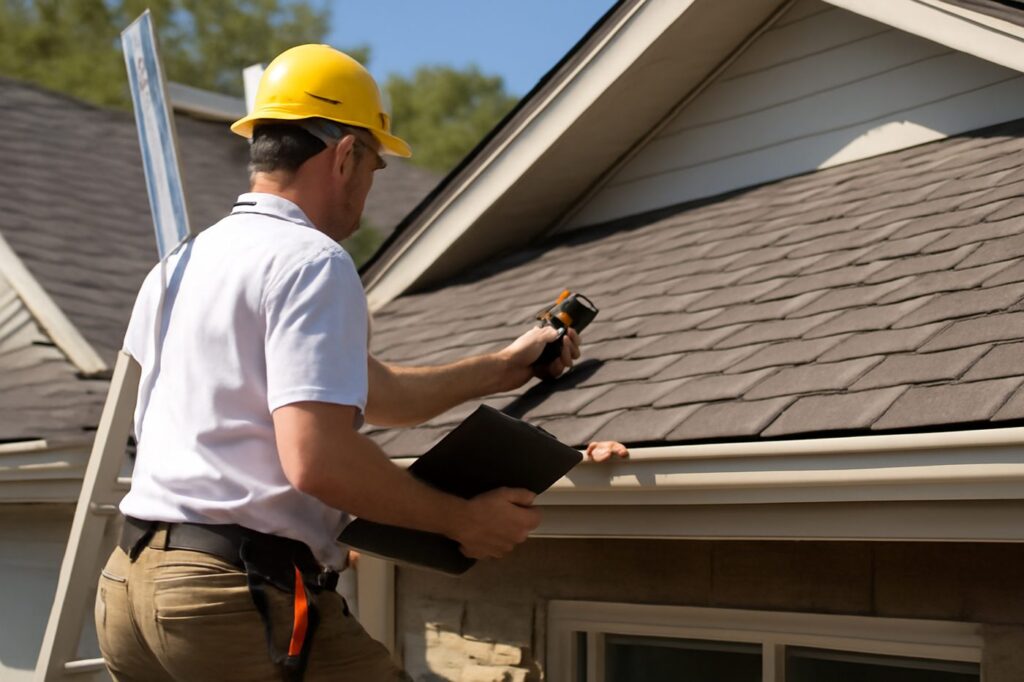
- Roof and gutters: visible condition, sagging, missing shingles, signs of leaks from the attic.
- Foundation and structure: visible cracks, settlement, floor or wall movement, and basement or crawlspace conditions.
- Exterior: siding, windows, doors, grading and drainage.
- Interior: floors, walls, ceilings, stairways, and built-in appliances.
- Plumbing: visible pipes, water heater, fixtures, signs of leaks, water pressure and drainage where accessible.
- Electrical: service panel, visible wiring, outlets, and basic safety issues (grounding, double-taps).
- HVAC: operation of heating and cooling equipment, filters, visible ductwork.
- Attic and insulation: ventilation, insulation levels, signs of pests or moisture.
- Basement/crawlspace: moisture, mold evidence, sewage odor, sump pump operation.
Inspectors will often take photos and note recommended timelines for repairs, from immediate safety fixes to routine maintenance.
When to Hire Specialists
General inspectors are skilled at spotting red flags but they do not provide specialized diagnostics. We suggest hiring specialists when the inspector calls out issues in these areas:
- Structural concerns or large foundation cracks: hire a licensed structural engineer.
- Roof concerns or unclear leak origins: hire a roof inspector or roofing contractor for a focused roof inspection and estimate.
- Pest or termite damage: hire a licensed pest inspector for depth of infestation and treatment cost.
- Plumbing system issues, sewer smell, or suspected sewer line problems: get a plumber or sewer scope.
- Mold, persistent moisture, or health complaints: hire a certified mold assessor for sampling and remediation estimates.
- Asbestos or lead paint concerns in older homes: consult licensed abatement professionals for testing and removal cost.
- Radon potential or local radon concerns: order a radon test from a qualified tester.
Typical specialist cost ranges: a focused roof or HVAC inspection typically/about $75 to $300; radon testing typically/about $100 to $300; sewer scope typically/about $100 to $250; structural engineer typically/about $500 to $1500; mold testing typically/about $200 to $600. Use these experts to get written reports and repair estimates you can use in negotiation.
How to Read the Inspection Report
Inspection reports vary in layout, but most contain the same useful parts. Approach the report methodically:
- Read the summary first. Inspectors usually summarize safety issues and major defects up front. These are the high-priority items to address.
- Review photos and location notes. Photos show where the issue is and give context when you’re preparing repair requests.
- Check the severity and recommended timelines. Many reports tag items as: safety/urgent, repair recommended, maintenance, or monitor.
- Note any items outside the inspector’s scope. The report should state limitations, such as items not accessible or systems not inspected.
- Match items to your contingency deadlines. If your contract has a repair or inspection contingency, list which items you’ll act on before the contingency expires.
Using the Report for Next Steps
- Create a prioritized list: immediate safety, near-term system failures, and cosmetic or maintenance items last.
- Get 2–3 contractor estimates for any item you plan to negotiate; written estimates are the most persuasive evidence.
- If the inspector flagged a potential major issue, order a specialist report before requesting repairs or credits.
Which Issues Justify Renegotiation
Not all issues are equal. We use three main criteria to decide if a finding justifies renegotiation: safety risk, system failure risk, and cost magnitude. Typical items that justify asking for repairs, credits, or a price reduction include:
- Active roof leaks or an aging roof with multiple failed areas.
- Major foundation movement, large structural cracks, or evidence of past structural repairs without documentation.
- Severe water intrusion, chronic moisture in the basement, or active mold growth that could affect health or require major remediation.
- Extensive termite or wood-destroying organism damage to structural members.
- Unsafe electrical conditions: ungrounded service, overloaded panel, aluminum branch circuits without mitigation, or exposed live wiring.
- Nonworking HVAC in extreme seasons or appliances that cause safety risks (gas leaks, carbon monoxide).
- Sewer line blockages, collapsed lines, or evidence of repeated backups.
Cosmetic issues, small repairs, or routine maintenance items typically do not justify major renegotiation unless they reveal larger hidden problems.
How to Renegotiate: A Practical Step-by-Step
- Identify priority items using the inspection summary.
- Obtain written estimates or specialist reports for those items.
- Decide whether you want seller repairs, a price reduction, repair credits at closing, or a combination.
- Submit a clear request with the inspection report excerpt, specialist findings, and contractor estimates. Be specific about amounts or exact repairs.
- Negotiate timelines and verification: if repairs are done before closing ask for receipts and the right to re-inspect or request licensed contractor warranties.
- Leave minor items off the renegotiation list to keep negotiations efficient.
Quick Reference Table: Common Findings and Likely Buyer Response
| Finding | Severity | Typical Buyer Action |
|---|---|---|
| Active roof leak | High | Repair before close or price credit |
| Small hairline foundation cracks | Low to Medium | Monitor or get specialist opinion |
| Faulty electrical panel | High | Repair by licensed electrician before close |
| Minor plumbing leaks | Low | Seller repair or small credit |
Safety Notes and Final Tips
Safety first: do not climb on a wet or steep roof, and avoid opening electrical panels or touching suspect wiring yourself. If the inspector flags gas odors, cracked gas lines, or structural instability, treat those as urgent and keep a safe distance until professionals assess them.
Attend the inspection if possible — seeing issues in person makes them easier to understand and helps you ask informed questions. Keep communication clear and deadline-conscious. A well-documented inspection and reasonable, evidence-backed repair requests are the most effective path to a fair outcome.
Inspections aren’t meant to scuttle deals but to inform them. When we approach the report systematically, bring in the right specialists, and focus negotiation on safety and costly unknowns, we protect our investment and avoid unpleasant surprises after closing.