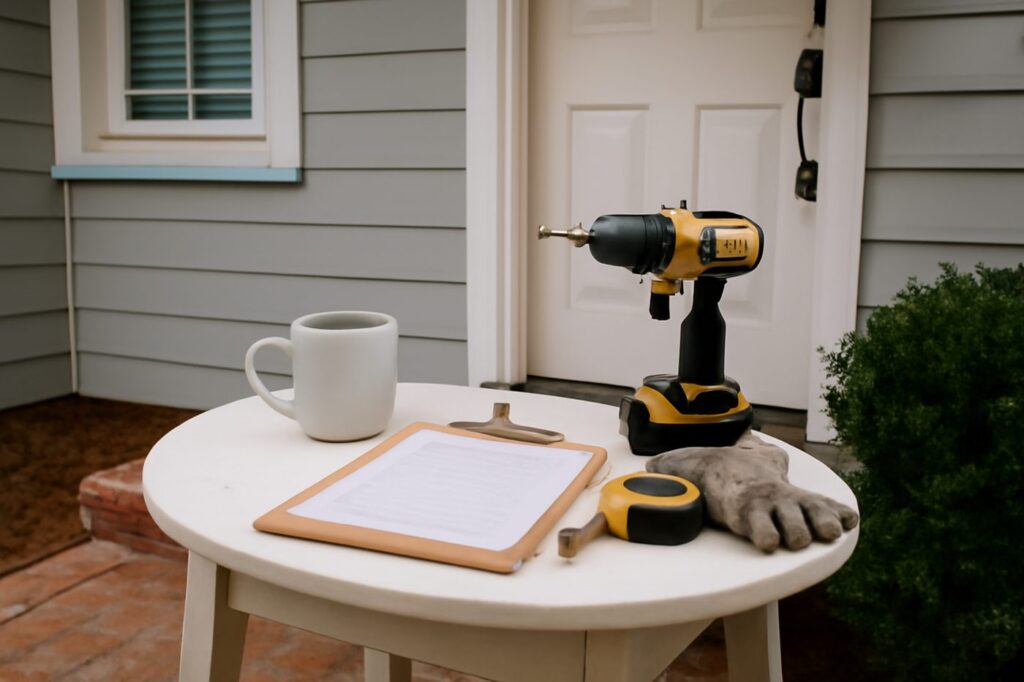
Keeping a home in good repair protects value, prevents surprise costs, and makes life more comfortable. This month-by-month planner gives practical tasks, clear DIY repair walkthroughs, signs to call a contractor, an essential tool and permit checklist, plus ballpark cost ranges so you can prevent major failures and preserve your property’s value.
Month-by-month maintenance calendar
Below are the most impactful tasks for each month. Adjust timing for your climate (move cold-weather tasks to warmer months if you live in the South).
January
- Inspect roof and attic for ice dams or leaks; clear vent obstructions.
- Test smoke and CO detectors; replace batteries if not hardwired.
- Service furnace filter and schedule heating system tune-up if due.
February
- Check for frozen pipes; insulate exposed plumbing in unheated spaces.
- Inspect windows and seals; repair cracked caulk or weatherstripping.
March
- Clean gutters and downspouts; confirm water flows away from foundation.
- Test sump pump and backup power if applicable.
April
- Service air conditioning system and change filters.
- Inspect exterior paint and siding; touch up where needed.
May
- Check driveway and walkways for cracks; repair trip hazards.
- Trim trees and clear branches away from roof and power lines.
June
- Inspect deck and railings; seal or stain wood surfaces.
- Test irrigation system and adjust timers for summer use.
July
- Inspect attic ventilation and insulation; add insulation if hot upstairs.
- Clean dryer vent (lint buildup is a fire risk).
August
- Check seals around doors and windows before fall; replace worn weatherstripping.
- Service garage door: lubricate rollers and inspect springs (safety note: springs are hazardous).
September
- Flush water heater to remove sediment and improve efficiency.
- Inspect chimney and fireplace; schedule cleaning if used.
October
- Winterize outdoor faucets and irrigation lines; drain hoses.
- Inspect roofing and flashings before snow/ice events.
November
- Replace HVAC filters; schedule heating system inspection.
- Clean gutters after fall leaves; check downspouts and grading.
December
- Test emergency lights and generators; stock snow/ice supplies.
- Review and update home inventory and important documents.
DIY repair walkthroughs (common, cost-saving fixes)
We include step-by-step basics. Stop and call a pro if you encounter wiring, gas lines, structural damage, or plumbing you can’t isolate.
Fix a running toilet (flapper or fill valve)
- Turn off water supply at the valve behind the toilet and flush to empty the tank.
- Remove tank lid and inspect the flapper for cracks or improper seating.
- If flapper is worn, unhook it and replace with a universal flapper—seat the new one and test.
- If fill valve is slow to shut, replace the fill valve assembly following manufacturer directions (shutoff, remove old valve, install new, adjust water level).
- Turn water back on, check for leaks, and adjust as needed.
Signs to call a contractor: persistent leaks after replacement, cracks in tank, or constant overflows.
Repair a dripping compression faucet
- Turn off water to fixture and open faucet to relieve pressure.
- Remove handle and bonnet nut; extract the cartridge or stem assembly.
- Inspect O-rings and washers; replace worn seals or the entire cartridge.
- Reassemble, turn water back on, and test.
Safety note: know how to shut off main water. Call a plumber if multiple fixtures leak or if pipe corrosion is present.
Patch a small drywall hole
- Cut damaged area into a square or rectangle; install a backing piece (wood shim) behind the opening.
- Install a drywall patch, secure with screws, and tape seams.
- Apply joint compound in thin layers, sanding between coats; prime and paint.
Signs to hire pro: large holes, ceiling sag, water-stained drywall, or mold.
Signs you need a contractor — red flags
- Repeated leaks or water in the basement after rain: possible foundation or drainage issue.
- Cracks wider than 1/4″ in foundation walls or horizontal cracks: structural concern.
- Flickering lights, sparks, burning smells, or frequently tripped breakers: call a licensed electrician.
- Gas smells, rotten-egg odor, or pilot outage on gas appliances: evacuate and call the gas company and a qualified technician.
- Roof leaks across multiple areas, sagging roof deck, or missing trusses after storm damage: contractor required.
- Visible mold covering large areas or recurrent after remediation: consult specialists.
Essential tools, permits, and inspection checklist
Keep these tools and a permit checklist handy so small projects go smoothly and legal requirements are met.
Essential tools
- Adjustable wrench, slip-joint pliers, pipe wrench
- Screwdriver set and cordless drill with bits
- Tape measure, level, utility knife
- Stud finder, hammer, pry bar
- Ladder, work gloves, safety glasses
- Shop vacuum, caulk gun, tub of exterior-grade caulk
Permit and inspection checklist
- Plan to get permits for any structural, electrical, or major plumbing changes, as well as HVAC and solar installations.
- Check local building department for required inspections (foundation, framing, electrical rough-in, HVAC, final).
- Keep receipts, plans, and inspection reports to document maintenance and upgrades for future buyers.
Safety notes: never work on live electrical panels; always shut off power and test. For gas appliances or structural work, hire licensed professionals.
Ballpark cost ranges for common repairs
Costs vary by region and scope. Below are typical ranges to help plan budgets.
| Repair or Service | Typical cost range |
|---|---|
| Gutter cleaning | about $75–$250 |
| Roof repair (spot repair) | about $200–$1,000 |
| Water heater replacement | about $600–$2,000 |
| HVAC annual tune-up | about $75–$200 |
| Plumbing leak repair (minor) | about $150–$500 |
| Electrical circuit repair / outlet replacement | about $100–$400 |
| Foundation crack evaluation/repair | about $500–$5,000+ |
Conclusion
Regular, seasonal maintenance stops small problems from becoming big expenses and keeps your home market-ready. Use this calendar, keep basic tools on hand, and know the warning signs that require a licensed pro. A little attention each month preserves comfort and value for years to come.