
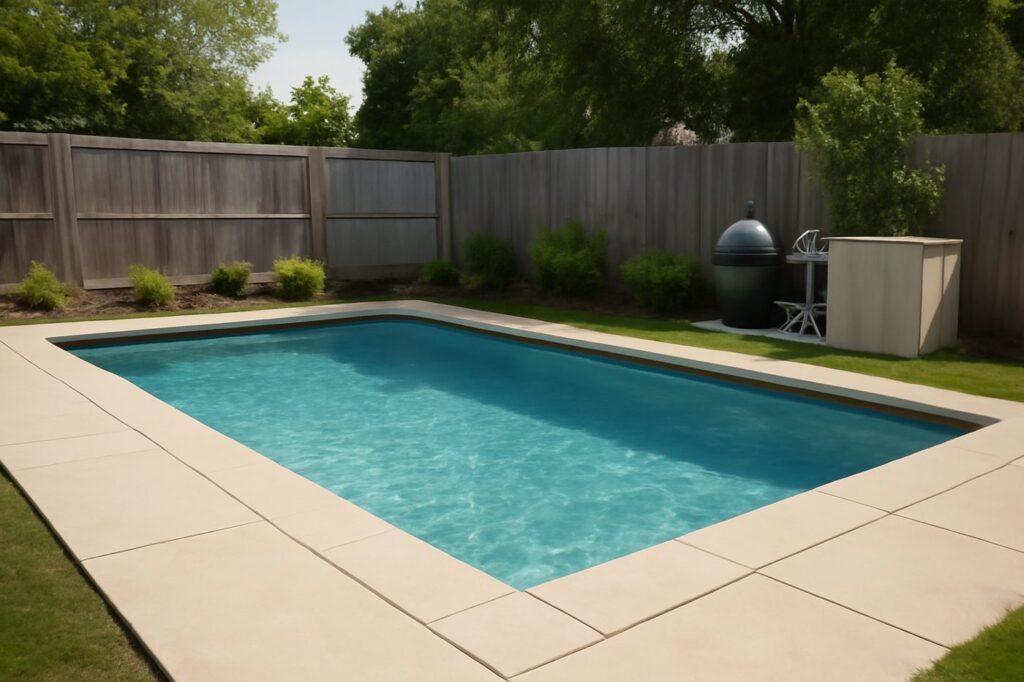
Pools and hot tubs can transform a yard into a year-round gathering place, increase home enjoyment, and add resale appeal — but they require thoughtful decisions at build time and steady care after. We’ll walk through choosing the right type, what installation involves, daily and seasonal maintenance routines, basic water chemistry, safety and code concerns, and the questions to ask contractors and service pros.
Choosing the right pool or hot tub
Start by matching your lifestyle, budget, yard constraints, and maintenance tolerance to the right type of installation. Consider how often you’ll use the water feature, how many people will typically use it, and whether you want low-maintenance options or a custom centerpiece.
Common types and when they work best
- Above-ground pools: Lower cost and faster install; good for renters or smaller budgets.
- Vinyl-lined inground: Lower upfront than concrete; easier to customize shapes modestly; liners need replacement every 7–15 years.
- Fiberglass inground: Faster to install, smoother surfaces, lower chemistry adjustments; shell sizes are limited.
- Gunite/concrete inground: Most customizable and durable for custom shapes, decking, and features; requires more maintenance and finishing time.
- Hot tubs/spas: Portable models are quick and often plug into a dedicated circuit; built-in spas integrate with landscaping and plumbing but add complexity.
| Option | Typical installed cost | Quick pros/cons |
|---|---|---|
| Above-ground pool | typically about $2,000–$10,000 | Fast install, lower cost; less durable, limited resale appeal |
| Vinyl inground | typically about $20,000–$40,000 | Affordable inground look; liner replacement required |
| Fiberglass inground | typically about $25,000–$60,000 | Low maintenance, fast install; size limits |
| Gunite/concrete | typically about $40,000–$100,000+ | Highly customizable; longer build time, higher maintenance |
| Portable hot tub | typically about $3,000–$10,000 | Plug-and-play; less permanent, easier to replace |
| Built-in spa | typically about $10,000–$50,000 | Integrated look, durable; requires plumbing/electrical and more cost |
Installation: timeline, permits, and step-by-step expectations
Installation varies by type. For any inground build expect several weeks to months depending on site prep and weather. Above-ground and portable spas can be done in days. Here’s what a typical inground pool build looks like:
- Site survey and design approval — confirm setbacks, utility locations, and drainage.
- Permits and HOA approvals — secure local building permits and any neighborhood sign-off.
- Excavation and base work — grading, rock removal, and compaction; plan for soil disposal.
- Structural work — forms, steel rebar for concrete pools, or shell placement for fiberglass.
- Plumbing and electrical roughed in — lines for circulation, filtration, heaters, lighting. (Safety note: all wiring and gas connections must be done by licensed pros.)
- Finishes and decking — tile, plaster, coping, and patio or deck work.
- Fill, startup, and commissioning — fill the pool, balance chemistry, and test systems.
Ask for a written timeline with milestones and contingency plans for delays.
Routine and seasonal maintenance checklists
Consistent maintenance keeps water clear, systems efficient, and repairs small. Use these checklists as a baseline and adapt for your pool type and climate.
Weekly
- Test chlorine and pH; adjust as needed.
- Skim surface, empty skimmer baskets, and brush walls/deck returns.
- Run filtration pump per manufacturer guidance (often 8–12 hours/day in summer).
- Check water level and top off to proper skimmer height.
Monthly
- Test total alkalinity and calcium hardness; correct imbalances.
- Backwash or clean filter cartridges as required.
- Inspect pumps, heaters, and chlorinators for leaks and unusual noises.
Seasonal tasks
- Spring opening: inspect for freeze damage, replace or clean filters, shock and balance water.
- Fall winterizing: lower water level if required, blow out plumbing if in freeze zones, cover pool securely.
- Annual: schedule a professional safety and equipment inspection; replace worn equipment parts.
Basic water chemistry: simple ranges and how to fix common issues
Keeping chemistry within target ranges prevents corrosion, scaling, algae, and irritation. Test regularly with a reliable test kit.
- pH: aim for 7.2–7.8. Low pH (acidic) can corrode metal; raise with soda ash (sodium carbonate). High pH causes cloudy water and scale; lower with muriatic acid or pH reducer.
- Free chlorine: aim for 1–3 ppm for pools, 3–5 ppm for hot tubs. Use chlorine granules, tablets, or a salt system as appropriate.
- Total alkalinity: aim for 80–120 ppm. Adjust with baking soda to raise or muriatic acid to lower.
- Calcium hardness: for pools aim 200–400 ppm. Low hardness risks etching; high hardness risks scale.
Steps to correct cloudy or green water:
- Test and correct pH and alkalinity first.
- Shock with a higher dose of oxidizer following label instructions.
- Run filter continuously and clean/ backwash as needed.
- Use an algaecide or flocculant only if needed; follow manufacturer dosages precisely.
Safety, local codes, and hazard prevention
Safety is non-negotiable. Local codes will dictate barriers, gate types, and sometimes alarms. Always verify requirements with the local building department before building.
- Barriers and gates: install fences that meet code height and self-closing, self-latching gate requirements where applicable. Safety covers or netting add protection.
- Alarms and lifesaving equipment: consider door alarms for direct house access, pool alarms, life rings, and a reaching pole.
- Electrical safety: all pool lights, pumps, and outlets must be installed by licensed electricians and grounded with GFCI protection. Never attempt electrical work yourself.
- Gas safety: gas heaters require licensed installers and appropriate ventilation. Arrange for professional leak checks after installation.
- Structural concerns: if installing on or near retaining walls, slopes, or unstable soil, have a structural/ geotechnical review to avoid settlement and collapse risks.
- Emergency readiness: post emergency numbers, learn basic CPR, and keep a charged phone nearby when people are swimming.
Key questions to ask contractors and service providers
Don’t sign until you’ve vetted the team. Good contractors welcome tough questions.
- Are you licensed and insured in this state? Can you show proof of both?
- What permits will you pull and who is responsible for them?
- Can you provide references and at least three recent jobs we can view?
- What is the detailed scope of work, timeline, and payment schedule? How are change orders handled?
- What brands and models of equipment do you install, and why? What are expected life spans and maintenance needs?
- Do you provide a written warranty on workmanship and equipment? What does it cover and for how long?
- Who performs electrical and gas connections — in-house crews or subcontractors? Will they be licensed?
- How do you protect the yard and landscape during construction, and what is the cleanup plan?
- Can you provide a list of weekly/monthly startup tasks and an initial chemistry plan at handover?
Use a short scoring sheet to compare bids on price, warranty, timeline, and communication responsiveness.
Conclusion: A pool or hot tub is a rewarding investment when chosen and managed intelligently. Spend time on the right choice up front, require proper permits and licensed tradespeople, and adopt regular maintenance and safety routines. With good systems and a few simple checklists, the water feature can be a low-stress, high-enjoyment part of the home for years.