We focus on projects that improve livability now and increase appeal to buyers later. Below are prioritized, budget-friendly updates and necessary upkeep that deliver strong returns for most homes — with cost ranges, clear DIY vs. professional guidance, permit notes, and safety cautions where appropriate.
Curb Appeal: First Impressions That Pay
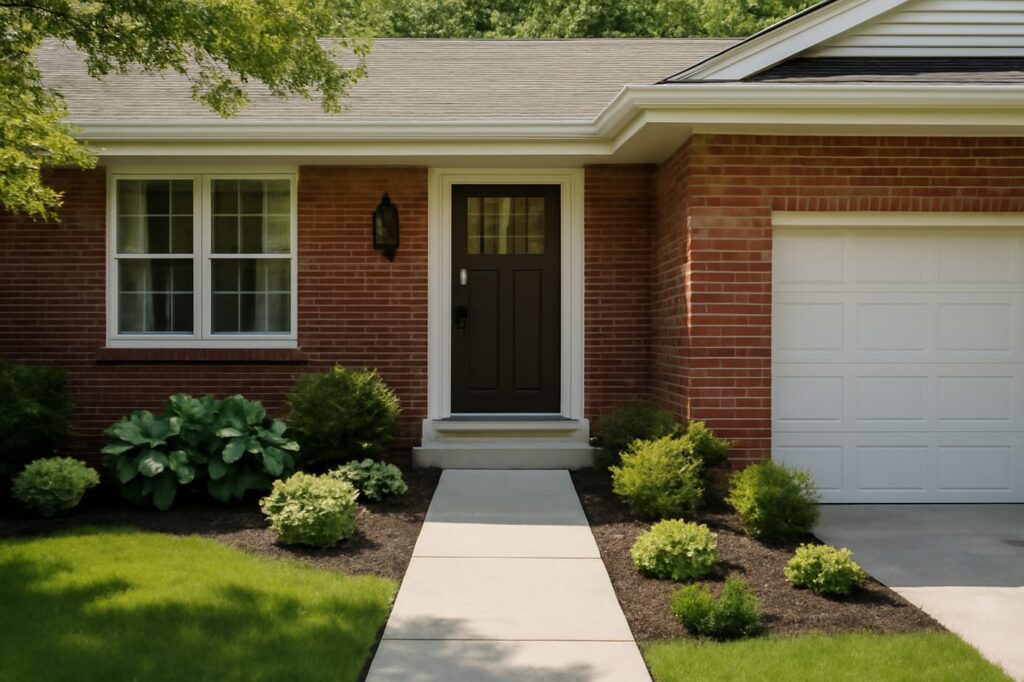
A tidy, welcoming exterior is one of the highest-impact, low-cost investments. Buyers make snap judgments, and improving curb appeal often boosts perceived value more than the dollar amount spent.
High-ROI tasks
- Fresh exterior paint or touch-ups (trim, shutters, front door)
- Simple landscaping: mulch, trimmed shrubs, seasonal plantings
- Upgrade lighting and hardware on the entry (house numbers, mailbox, door hardware)
Cost and DIY vs. pro
- Exterior touch-up painting: typically about $200–$1,200 DIY; $800–$4,000 pro depending on scope.
- Landscaping refresh: typically about $100–$1,000 DIY; $400–$3,000 pro.
- Entry lighting/hardware: typically about $50–$300 DIY; $150–$700 with electrician for wiring.
Steps for a quick curb boost (DIY)
- Walk the property as a buyer; note worn spots and clutter.
- Clean driveway and walkways with a pressure washer or stiff broom.
- Trim overgrown plants, add mulch, and place two potted plants near the entrance.
- Repaint or replace the front door hardware and add a clean welcome mat.
Kitchen Refreshs: Small Changes, Big Impact
The kitchen sells homes. You don’t need a full remodel to add value; well-executed cosmetic updates can move the needle.
Priority updates
- Cabinet repaint or refinish and new hardware
- Countertop replacement (targeted areas like butcher block or affordable stone alternatives)
- Updated faucet and lighting
Cost and DIY vs. pro
- Cabinet repaint: typically about $100–$600 DIY; $700–$3,000 pro for professional refinishing.
- Countertops (laminate or butcher block): typically about $100–$1,500 DIY or $500–$4,000 pro depending on material and sink cut.
- Faucet replacement: typically about $50–$300 DIY; $150–$500 pro if plumbing changes are needed.
Quick cabinet repaint steps (DIY)
- Remove doors and hardware; label each piece for reassembly.
- Clean grease with a degreaser; sand lightly to scuff the surface.
- Prime (if needed) and apply two thin coats of durable cabinet paint, allowing proper dry time.
- Reattach hardware or install new pulls and knobs.
Permit considerations & safety
Replacing fixtures and countertops normally does not require a permit, but rerouting plumbing or electrical to add appliances or outlets can. For any gas appliance work, hire a licensed pro and ensure local code compliance. Safety note: turn off water and electricity when working near sinks and outlets.
Bathroom Updates: Clean, Modern, and Functional
Bathrooms are another close second to kitchens for buyer attention. Small, well-done changes often outperform costly, half-finished remodels.
High-impact fixes
- Recaulk and regrout; replace any stained or damaged tile
- Swap out dated faucets, showerheads, and lighting
- Replace the toilet if old or inefficient
Cost and DIY vs. pro
- Regrouting/recaulking: typically about $20–$150 DIY; $150–$600 pro.
- Fixture upgrades (faucet, showerhead): typically about $30–$300 DIY; $150–$500 pro if plumbing adjustments needed.
- Toilet replacement: typically about $100–$400 DIY; $200–$600 pro.
Step-by-step: recaulk a tub (DIY)
- Remove old caulk with a scraper and vacuum the joint clean.
- Wipe with rubbing alcohol; let fully dry.
- Apply painter’s tape above and below the joint for a straight line.
- Use a silicone bathroom caulk; cut the tip, apply steady bead, smooth with a wet finger or tool, remove tape before skin forms.
Permit and safety notes
Replacing fixtures typically doesn’t require permits; altering drainage, shower pans, or adding ventilation may. If the home has lead paint or asbestos concerns (often in older homes), follow local rules and hire qualified pros. Turn off water before plumbing work.
Energy and Systems: Maintenance That Pays Over Time
Energy improvements can be moderate-cost but add appeal through lower utility bills and comfort — a selling point for smart buyers.
High-value system tasks
- HVAC tune-up and filter replacement
- Add attic insulation or seal air leaks
- Install programmable or smart thermostat
Costs and guidance
- HVAC tune-up: typically about $75–$200 for inspection and basic service (pro required).
- Attic insulation: typically about $500–$2,000 for professional install depending on area and material; smaller DIY projects possible for adding insulation rolls.
- Smart thermostat: typically about $100–$300 plus any wiring adapter; DIY if comfortable with low-voltage wiring, otherwise hire a pro.
Safety and permit notes
Electrical and gas-system work often requires licensed professionals and permits. Never attempt gas line adjustments; for furnace or gas water heater issues, contact a qualified technician. Safety note: carbon monoxide and gas appliances must be inspected by a pro if you suspect leaks.
Floors, Paint, and Interior Refreshes
Interiors that feel fresh and move-in ready reduce buyer friction. Focus on neutral paint, well-maintained flooring, and fixing visible defects.
Priority projects
- Repaint rooms in neutral, light colors
- Repair or replace worn flooring in main living areas
- Deep-clean carpets or consider affordable plank vinyl for high-traffic zones
Costs and DIY vs. pro
- Interior paint: typically about $25–$60 per gallon DIY; $1,200–$3,500 pro to paint a whole house.
- Laminate or vinyl plank flooring: typically about $1–$5 per square foot DIY; $3–$8 per square foot pro installed.
- Carpet cleaning: typically about $25–$75 per room; replacement varies widely.
Maintenance & Safety Tasks (Non-Negotiables)
Small, routine maintenance prevents expensive problems and reassures buyers that the home was cared for.
- Roof inspection and gutter cleaning: typically about $75–$300 for basic inspection/cleaning; repairs priced separately.
- Smoke and CO detector checks and battery replacement: low cost, high importance.
- Address moisture, foundation cracks, or pest signs promptly with appropriate pros.
| Project | Typical Cost | Why It Helps |
|---|---|---|
| Curb landscaping | About $100–$1,000 | Improves first impressions; low cost |
| Cabinet repaint | About $100–$3,000 | Modernizes kitchen affordably |
| Bathroom reseal/regrout | About $20–$600 | Makes bathrooms look well-maintained |
Conclusion
Prioritize visible, functional improvements that are cost-effective and can be completed well. Start with curb appeal, then tackle kitchens and bathrooms, and don’t overlook system maintenance and safety tasks. When in doubt, get a professional for anything involving gas, mains electricity, or structural changes — permits and licensed work protect value and safety. With thoughtful, budget-conscious choices, we can boost appeal and resale potential without overspending.